
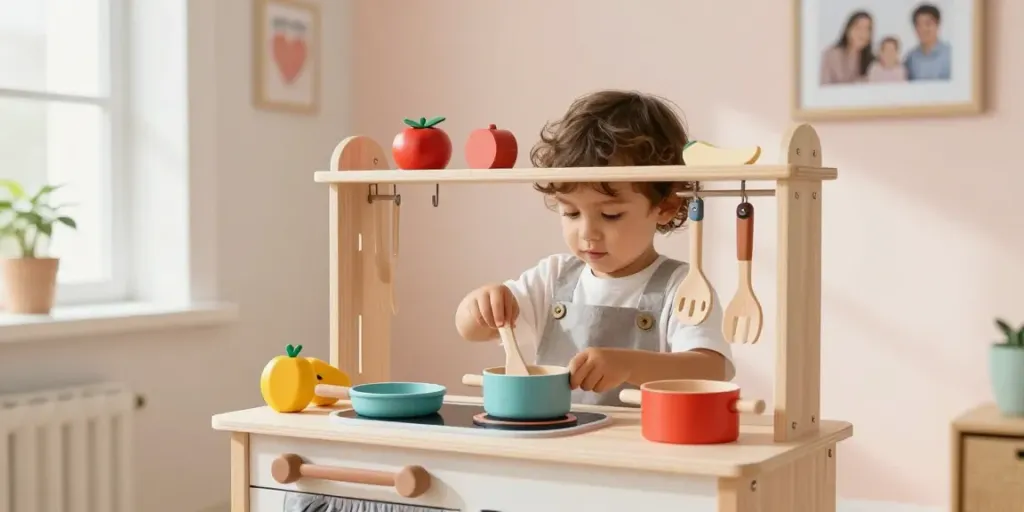
Understanding Wooden Kitchens: Why Choose a Wooden Kitchen for Your Child?
Wooden kitchens are not just toys; they are gateways to creative exploration and imaginative play for children. These versatile playsets make an excellent addition to any child's playroom or backyard, fostering both skills and creativity. When exploring options, wooden kitchen sets can provide comprehensive insights into various choices available in the market today.
The Benefits of Wooden Play Kitchens
One of the paramount benefits of wooden play kitchens is their durability. Unlike plastic counterparts, wooden kitchens withstand the rigours of everyday play, remaining intact for years. Additionally, they offer an aesthetic charm that can complement any home decor. Here are some essential benefits:
- Durability: Wooden kitchens are built to last, making them a worthwhile investment.
- Safety: Many wooden toys are free from harmful chemicals, ensuring a safe play environment.
- Encouraging Creativity: The tactile nature of wood invites children to engage more thoughtfully in play.
Safety and Durability in Children's Toys
Safety is paramount when selecting toys for children. Wooden kitchen sets typically feature non-toxic finishes and sturdy construction, making them safer for younger children compared to many plastic alternatives. Additionally, they are less likely to break apart, posing less risk of injury. Parents can feel confident knowing that their children are playing with a safe product that also promotes eco-consciousness.
How Wooden Kitchens Enhance Role-Playing Skills
Role-playing is critical in early childhood development, and wooden kitchens provide the perfect backdrop for imaginative play. Children can mimic real-life cooking experiences, developing essential skills such as:
- Social Skills: Engaging in pretend play helps kids learn to interact with others, fostering friendships.
- Communication: Through role-play, children develop their language skills, expressing ideas and negotiating scenarios.
- Problem-Solving Skills: Navigating cooking scenarios prompts kids to think creatively and solve problems on the go.
Types of Wooden Kitchens Available: Finding the Perfect Fit
With various designs and sizes on the market, finding the right wooden kitchen for your child can be overwhelming. Understanding the different options available can help narrow down the choices.
Compact vs. Full-Size Wooden Kitchens
Compact wooden kitchens are fantastic for limited spaces and typically feature all essential elements, like burners, ovens, and sinks, albeit in a more condensed format. They are perfect for smaller homes or apartments. On the other hand, full-size kitchens provide more space for multiple children to play together, often including additional features such as accessories and storage options. The choice between compact and full-size ultimately depends on the available space and the number of children who will be using the kitchen.
Features to Look Out For in a Quality Kitchen Set
When assessing different wooden kitchens, certain features can enhance the overall play experience:
- Realistic Accessories: Look for kitchens that come with pots, pans, and utensils to encourage imaginative play.
- Customisable Elements: Some kitchens allow for the addition or removal of parts, making them more versatile.
- Sturdy Construction: Ensure that the kitchen is well-built to withstand active play.
Eco-Friendly Options: Sustainable Wooden Kitchen Sets
For environmentally conscious parents, eco-friendly wooden kitchens are an appealing choice. Many brands now prioritise sustainable materials, sourcing wood from responsibly managed forests. Additionally, these kitchens often feature eco-friendly paints and finishes. By choosing sustainable options, parents can instill values of environmental awareness in their children from an early age.
Creative Activities Using Wooden Kitchens: Beyond Pretend Play
While wooden kitchens are primarily designed for role-playing, they can also be used for various educational and creative activities, enhancing their value as playsets.
Incorporating Educational Elements into Playtime
Parents can enhance the educational aspect of play by incorporating elements of math and science into cooking scenarios. For example, measuring ingredients can teach children basic math concepts, while cooking can introduce them to scientific principles, such as changes in states of matter when water boils. These playful learning moments can significantly enrich a child's playtime experience.
Art and Craft Ideas Using Wooden Kitchen Accessories
Wooden kitchen accessories can also serve as a medium for arts and crafts. Children can decorate wooden utensils with non-toxic paints or create a fantasy restaurant menu, thus fostering creativity and artistic expression.
Cooking Simulation Games: Enhancing Imagination and Learning
Elaborate cooking simulation games can be created using a wooden kitchen. Children can role-play as chefs, exploring different cuisines and developing storytelling skills as they create adventures around their playscape. Incorporating a learning element into these games can encourage the exploration of different cultures, making playtime both fun and informative.
Maintenance and Care: Keeping Your Wooden Kitchen in Top Shape
To ensure years of enjoyment, proper maintenance and care of a wooden kitchen are essential. Here are some key practices to follow:
Cleaning and Sanitising Wooden Playsets
Regular cleaning will help maintain the appearance and safety of wooden kitchens. Use a damp cloth with a gentle soap solution to wipe down surfaces. Avoid soaking the wood, as excess moisture can lead to warping. It is also vital to ensure that the playset is free from dust and food residue to maintain a hygienic play environment.
Essential Repairs: When and How to Fix Damaged Parts
Even the sturdiest wooden kitchens may sustain minor damage over time. If parts become loose or chipped, addressing these issues promptly will prolong the lifespan of the kitchen. Use wood glue for small repairs, and consider replacing any broken hardware to keep the set secure for continued play.
Longevity Tips: Ensuring Years of Enjoyment
To maximise the lifespan of a wooden kitchen, consider storing it in a dry, indoor area when not in use. Avoid placing it in direct sunlight to prevent fading and warping. Regularly rotate the accessories and introduce new items to keep play fresh and engaging for your child.
Trends in Wooden Kitchens for 2026: What’s New in the Market?
As with any toy market, trends for wooden kitchens are continuously evolving. Here’s what to look out for in 2026:
Innovative Designs and Customisation Options
Manufacturers are increasingly introducing innovative designs that allow for customisation. Adjustable features enable kitchens to grow with the child, offering multiple configurations. Look for sets that provide features such as interchangeable backsplashes or modular components.
Integrating Technology into Traditional Wooden Kitchens
Interestingly, some brands are looking at ways to seamlessly integrate technology with traditional wooden kitchens. For instance, augmented reality apps could bring recipes to life, providing interactive cooking experiences that teach children about various dishes and cultures.
Future of Play: Predictions for Wooden Kitchen Sets
Moving forward, the fusion of creativity and education will continue to shape the market. Expect to see more wooden kitchens that come with integrated learning modules, such as interactive storytelling or language learning components to enhance the play experience.
How Much is a Wooden Kitchen?
The price of wooden kitchens varies widely based on size, features, and brand. Compact models can start as low as £50, while elaborate full-size kitchens can reach upwards of £300. It’s important to consider the durability, play value, and safety standards when evaluating price points.
Are Wooden Kitchens on Trend?
Yes, wooden kitchens remain a popular choice among parents and children alike, thanks to their timeless appeal and educational benefits. As trends shift towards sustainable and eco-friendly products, wooden kitchens are increasingly embraced for their natural materials and sleek designs.
What Age is a Wooden Kitchen Good For?
Wooden kitchens are suitable for a wide range of ages, typically from around three years old and up to early pre-teen years. They provide a safe platform for children to engage in creative play and explore social skills, making them a fantastic investment for any family.